
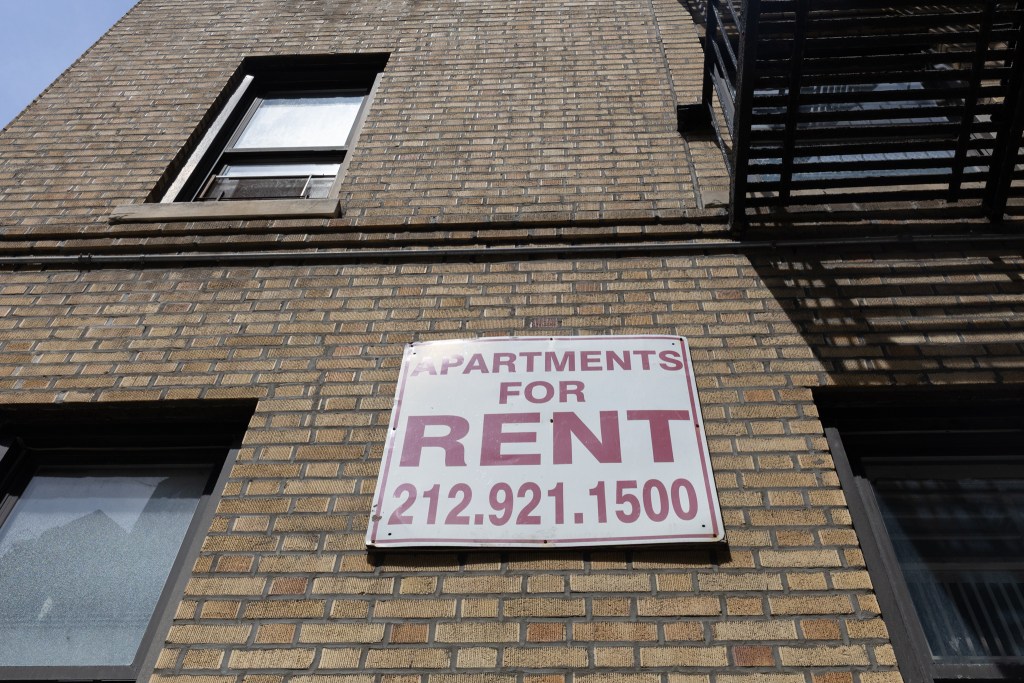
Even as their finances deteriorated and the values of their buildings declined, owners of larger rent-regulated buildings saw their property taxes increase.
Meanwhile, the disparity between the assessments on high-end condos and co-ops grew, giving the owners of some of the most expensive homes in the city a huge property tax break.
Those two data points, in a report released Tuesday by the NYU Furman Center, spotlight how the city’s widely derided property tax system places an enormous burden on larger rental buildings, especially those with mostly rent regulated units, while providing huge tax breaks to homeowners, especially those who occupy the priceless condos and coops.
While the Furman report is the latest in a long line of studies to document the flaws in New York City’s byzantine rules, it comes amid conflicting signals over whether Mayor Zohran Mamdani is committed to delivering on his campaign promise to fix the property tax system. The administration has been unwilling to give a deadline for proposing a reform package although on June 6 it agreed to negotiate changes with advocates under court supervision.
The luxury San Remo Co-ops on Manhattan’s Upper West Side. Credit: Jon Bilous/Shutterstock
“The important thing to keep in mind is that these disparities will discourage new development and undermine preservation,” said Brad Greenberg, Furman’s executive director.
The analysis by Furman, released as part of its annual survey of the city’s residential real estate market, shows:
Buildings with three or fewer units, primarily-single family homes, comprise almost half of the market value of all residential buildings but pay only 15% of property taxes. Rental buildings account for a quarter of the market value, but pay 40% of the levy.
No city in the country places such a huge burden on rental properties compared with homeowners, the report notes, citing data from the Lincoln Land Institute. New York taxes rental buildings at 5.67 times the rate of owner-occupied homes. By comparison, the disparity in Los Angeles is 1.01 and Chicago is at 0.98.
Taxes are rising for rent-regulated buildings that have seen their finances squeezed. Since 2019, net operating income for rent regulated buildings after adjusting for inflation declined by almost 15%, but their inflation-adjusted property taxes per unit have increased from an average of $2,843 per unit to $3,082.
Co-ops are valued at only a quarter of their market value and condos at only 20%, according to a Furman analysis of 10,000 sales in 2025, resulting in the lowest taxes when compared with market value.
The unfairness of the system begins with assessing single-family homes based on market values but rental buildings on income and expenses. The inequities are exacerbated by caps on increases in values of single-family homes, which gives an advantage to homeowners in areas with rising property prices.
With homeowners among the most active voters, the City Council routinely reduced increases in their property taxes and transferred the burden to apartment buildings and other types of real estate, all of which pay more in taxes compared to their market value than homeowners.
The biggest strain has been placed on buildings which are almost entirely rent regulated, in part because, in a quirk, the city caps how much of their increased expenses can be considered for assessment purposes, the report says.
Meanwhile, while the law requires single-family homes to be assessed using market values, it mandates the city to assess condos and coops as if they were rental buildings. With few “comparable” buildings in prime Manhattan areas, those assessments are particularly low. In Furman’s analysis of sales data, the biggest gap between assessed and market value came from the top 10% of sales by price.
“It is a pretty important fact,” said Vicki Been, faculty director at Furman and the deputy mayor for housing during the Bill de Blasio administration. “The owners of the top-valued apartments in the city are getting a huge tax break.”
Both Mayors de Blasio and Eric Adams promised to overhaul the property tax system but failed to develop a proposal to send to Albany for legislative approval. Since most proposals are designed to keep the actual amount taxes collected the same as now, reforms would likely anger homeowners who would see their taxes increase, although the impact would be phased in.
Mamdani pledged during the mayoral campaign and again in his inaugural address to do what his predecessors would not, in part because he said the system was unfair, but also because it would help landlords of rent regulated buildings deal with his proposed four-year rent freeze.
A for-rent sign posted in a North Bronx neighborhood, Nov. 17, 2025. Credit: Ben Fractenberg/THE CITY
Now the Administration is sending conflicting signals about what it intends to do.
At a May breakfast sponsored by the Citizens Budget Commission, city budget director Sharif Soliman would only say that the administration was still studying the issue and suggested it was also looking at taxation of commercial and utility properties, which would make change even more politically challenging.
But Friday, the city agreed to negotiate reforms with the Tax Equity Now Coalition, which is pursuing a lawsuit that argues the city’s system is unconstitutional because it discriminates against people of color.
It isn’t clear what could come of those talks, but the coalition has insisted that the city on its own has the power to make changes that would reduce inequities.
‘Comprehensive Reform’
Mamdani’s office reiterated its plan to reform property taxes in a statement to The City Reporter.
“Our administration intends to fix this system through comprehensive reform. The passage of the pied-a-terre tax demonstrates the mayor’s ability to work with our partners in Albany to get complex tax policy changes over the finish line,” said spokesperson Matt Rauschenbach.
The newly enacted pied-a-terre tax complicates the issue further, since it requires the city both to use market values to determine the additional tax on luxury second homes for the next two years, which suggests it expects the system to be reformed by then.
In the meantime, the disparities on the way the city taxes the most expensive condos and co-ops will become even clearer both to those who want reform and to those who don’t.
“You’re basically telling everyone how much their tax might increase if you started valuing coops and conds according to market value,” said Been. “And that’s going to create a very noisy group wanting to hold on to their existing tax break.”
Our nonprofit newsroom relies on donations from readers to sustain our local reporting and keep it free for all New Yorkers. Donate to THE CITY today.
The post Will Mamdani Ride the Property Tax Tiger? appeared first on The City Reporter.
