
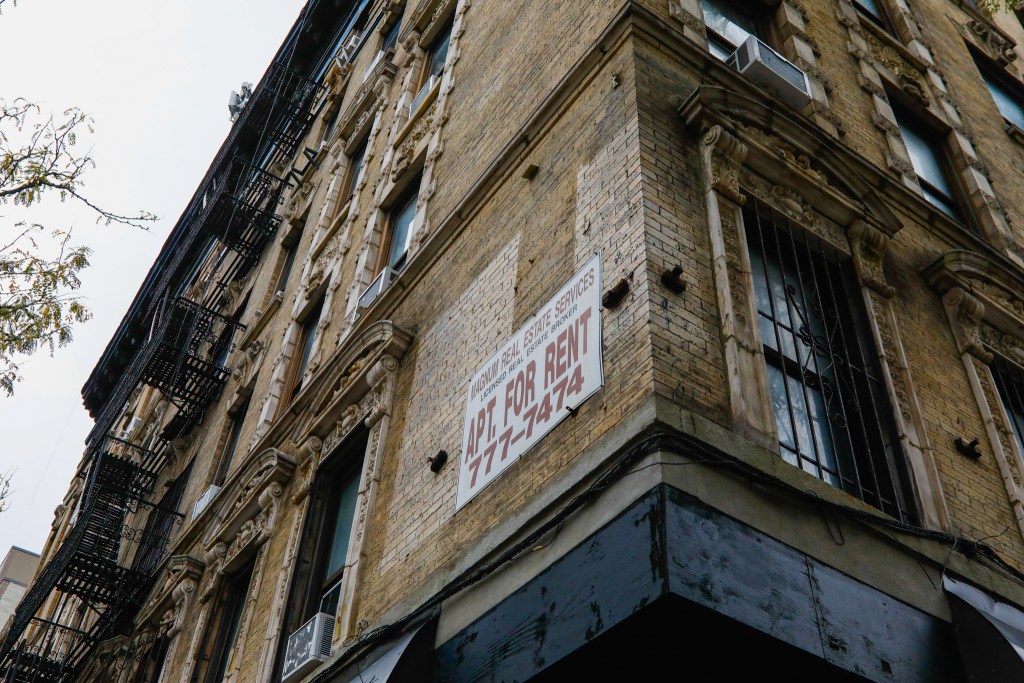
The Mamdani administration on Wednesday took a step to make its city-backed insurance program for rent-stabilized buildings a reality.
The city-backed program is an attempt to drive down the cost of property and liability insurance, which has skyrocketed over the past few years.
The city is hoping insurance-related entities will apply to stand up the privately run program, according to the request for information issued by the Economic Development Corporation, along with the Department of Housing Preservation and Development and the Housing Development Corporation.
Mayor Zohran Mamdani first announced the concept in May. The EDC will invest $100 million over three years to launch the program. The effort has a goal of bringing insurance premiums down by at least 20%. It’s slated to begin in 2027 and cover about 20,000 apartments, eventually expanding to 100,000 apartments in 2030.
“If the owners are spending less on insurance, they’ll be able to better maintain their properties, and it will cost the city less in subsidy over the long run,” said Brinda Ganguly, the executive vice president of EDC’s strategic investments group, in an interview. “New York City is such a unique housing market that we haven’t seen anything else like this in another jurisdiction.”
The opening of the process comes a day before the nine members of the Rent Guidelines Board are slated to vote on a possible rent freeze for tenants of rent-stabilized apartments across the boroughs. Greenlighting a freeze would make good on Mamdani’s campaign promise, but property owners have warned that further limiting rents will squeeze landlords and prevent them from making key upgrades to their buildings.
Asked about a potential rent freeze in a recent interview, Mamdani pointed to the city-backed insurance fund as a way of addressing costs.
“I’ve been clear that I do believe that tenants deserve relief, and also that my belief in tackling the cost of living crisis is true for everyone,” he said.
The insurance program is the latest attempt by the Mamdani administration to expand services to New Yorkers through city-subsidized programs. In April, the mayor announced the first plan for a city-funded grocery store in East Harlem, and with the backing from Gov. Kathy Hochul, is expanding free childcare to two-year-olds.
“Skyrocketing insurance costs are draining resources from the affordable housing New Yorkers depend on,” Mamdani said in a statement. “When private markets fail to deliver, government has a responsibility to step in. This city-backed insurance program will lower costs, protect affordable and rent-stabilized homes and ensure that more money goes to repairs, maintenance and improvements that tenants can actually see.”
The responses to the city’s request, due in August, are meant to help the city shape the program and identify the entity to run it.
Over the next few months, EDC will select a group of respondents and share data with them about the city-subsidized housing portfolio so that they can revise their proposals, if needed.
Insurance Bills Climb
The climbing cost of insurance is a major reason landlords are seeing a rise in their overall expenses in recent years.
Landlords of rent-stabilized buildings saw their overall costs increase 5.3% between 2025 and 2026, outpacing the country’s 2.7% inflation rate, according to research by the Rent Guidelines Board. Out of the landlords’ expenses, the cost of insurance increased by 10.5%, the second highest amount just behind fuel.
Over the past five years, the cost of insurance nearly doubled for rent-stabilized buildings, according to RGB research — a faster rate than other expenses, including taxes, fuel, labor and utilities.
In buildings for which the city provides financing, yearly insurance premiums tripled, from about $600 per apartment in 2018 to about $1,800 in 2025, per city data.
The new city-backed program will be reserved for the approximately 365,000 affordable apartments financed by HPD and HDC, as well as the 500,000 rent-stabilized apartments that receive no subsidy.
The administration is betting that lowering the costs of insurance will also mean it will need to provide less taxpayer dollars per affordable apartment, which means the city could save money outright or redirect more funds into other affordable housing. Already, Mamdani’s plan to lower rent for the poorest New Yorkers in affordable housing — allowing them to pay 25% of their income instead of a third — will require more funding from the government.
Our nonprofit newsroom relies on donations from readers to sustain our local reporting and keep it free for all New Yorkers. Donate to THE CITY today.
The post Search Begins for Operator of City-Backed Insurance With $100M in Public Funds appeared first on The City Reporter.
