When a counselor is supporting a ninth grader to ensure they stay on track, a principal needs to implement interventions for their most vulnerable students, or a superintendent is deciding where to direct limited resources across a sprawling district — they turn to a trusted system, the New Visions Portal.
New York City is proposing to eliminate $8.9 million for the Portal, a consequential decision that would put at risk one of the most important technology investments the public school system has made in decades.
The Portal is not just another software product. Developed by New Visions, a trusted NYC-based nonprofit, it is the first platform in the city’s history to provide schools and central offices with a single integrated environment for student planning, program management, and analytics. Available to every public school, it has become critical infrastructure for the district.
I write as a former Chancellor — and as someone who has believed in this platform from the very beginning. When I was Executive Superintendent in the Bronx, I saw immediately what the Portal could do, and I made sure all Bronx schools got access. When I became Chancellor, expanding access to all city schools was an obvious decision and one of the best ones I made. The impact of New Visions is precisely why I joined its Board after leaving the Chancellor’s office. For decades, NYC’s schools operated with a patchwork of disconnected data systems. Every new initiative brought its own dashboards, reporting tools, and ways of tracking students. The result was costly, duplicative, and inefficient. Educators were forced to navigate multiple systems to answer basic questions about student progress, while central offices struggled to understand whether programs were reaching the students they were designed to serve.
Thanks to the Portal, teachers, counselors, principals, and district leaders can now see a student’s academic trajectory in real time— from attendance and coursework to graduation progress and postsecondary plans — and act before students fall behind.
During my time leading the school system, I navigated the enormous complexity of post-COVID recovery including re-engaging students and closing learning gaps. Those experiences reinforced a simple lesson: a school system cannot improve outcomes it cannot see. Without reliable, integrated information, it is hard to know whether public investments in attendance initiatives, college readiness efforts, or student supports are actually working.
The Portal is successful because it was built on years of collaboration across schools, city agencies, higher education institutions, and community organizations that New Visions spent more than a decade cultivating. It was not designed by a distant vendor, but by people who understood the daily realities facing school staff and could evolve the platform as those realities changed.
Supported by both public funding and philanthropy and developed in close collaboration with the City, it is the only technology platform we have that connects schools with other agencies, social service providers and CUNY. This transforms what is possible — from counselors linking homeless students to services, to agencies pursuing shared goals with schools rather than working in isolation.
Eliminating funding now would dismantle years of progress, jeopardize philanthropic investment, make it harder to target resources, measure results, and hold ourselves accountable for student outcomes. Not all budget reductions carry the same consequences.
I have seen firsthand what this platform makes possible. The City should strengthen that foundation, not dismantle it.
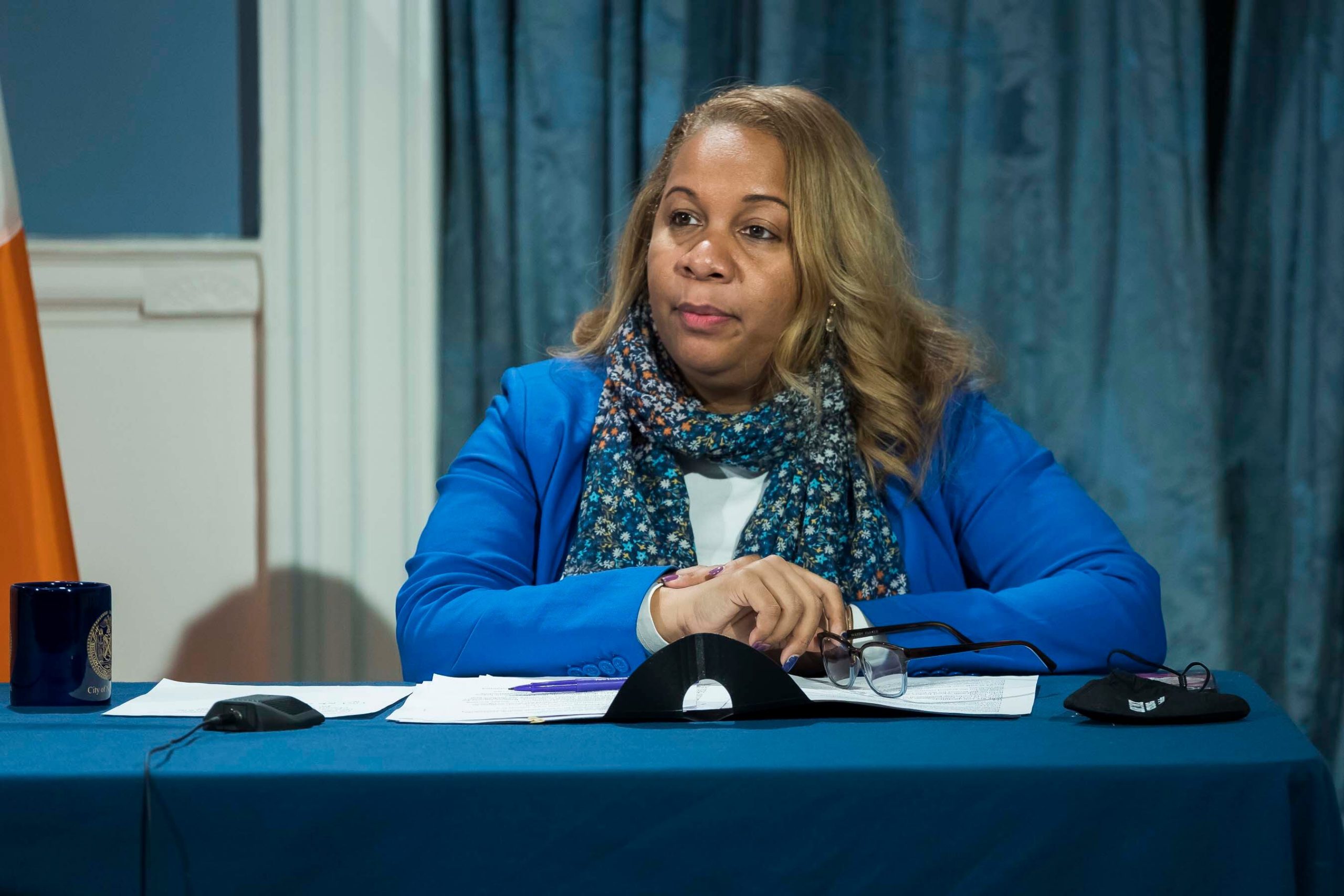
Meisha Ross Porter is a former Chancellor of the New York City public school system and a board member of New Visions for Public Schools.
The post WHAT NEW YORK CITY GOT RIGHT ABOUT PUBLIC-SECTOR TECHNOLOGY — AND CANNOT AFFORD TO LOSE appeared first on EMPIRE REPORT NEW YORK 2026® NEW YORK’S 24/7 NEWS SITE.