
Train travel is a quintessential way to easily—and swiftly—explore Europe and Asia, but in the United States, rail culture isn’t nearly as robust or convenient as it is in countries like Japan and Spain. The issue with domestic passenger trains isn’t new: aging infrastructure and the high cost of supplies have discouraged innovation and received plenty of political pushback for decades.
While the U.S. was at the forefront of train travel in the 19th century, it largely declined in the following century. The vast topography and sprawling cities across the U.S. are generally seen as better suited to personal vehicles, and in the 20th century, automobiles and aviation were prioritized, while the promise of a high-speed nationwide rail system fell by the wayside. More recently, however, there’s been a bit of a shift, with Amtrak welcoming a record number of passengers over the past few years.
With national average fuel prices at a four-year high, train travel has never looked more appealing—at this point, filling up your tank or buying a plane ticket feels like highway robbery, causing travelers to think outside the box. In Los Angeles, we’re lucky enough to have Amtrak operating with direct routes to various vacation-worthy destinations in the Golden State, and we’ll—allegedly—have even more options come 2030.
In 2008, voters approved a high-speed rail system designed to connect San Francisco and Los Angeles in less than three hours. The project was originally supposed to be completed in 2020 and cost $33 billion, but as of the first half of 2026, no electrified track has been laid, and it is now about 400 percent over budget. Moreover, the initial goal of creating a direct line from San Francisco to L.A. has been put on the back burner unless additional funding is received, so rather than being able to easily travel between cities, L.A. residents will have to bus to and from Bakersfield, largely defeating the original purpose of the train. At this point, it might be best for the United States to stick to planes and automobiles until we’ve learned to stop forsaking efficiency in the name of bureaucracy.
While that day may never come, Angelenos can (and should) take advantage of the Amtrak routes currently available to us. Though train travel tends to take a bit longer than a regular road trip via car (at least in SoCal), there is a special charm in being able to kick back in your seat as you zoom along the coast. Most stops drop you directly into city centers, ensuring that you can enjoy a car-free adventure without the hassle. Whether you’re craving a weekend in the American Riviera or a laid-back escape in San Diego, we’ve rounded up a few of our favorite summer destinations to visit by train from L.A.
Train Travel from LA
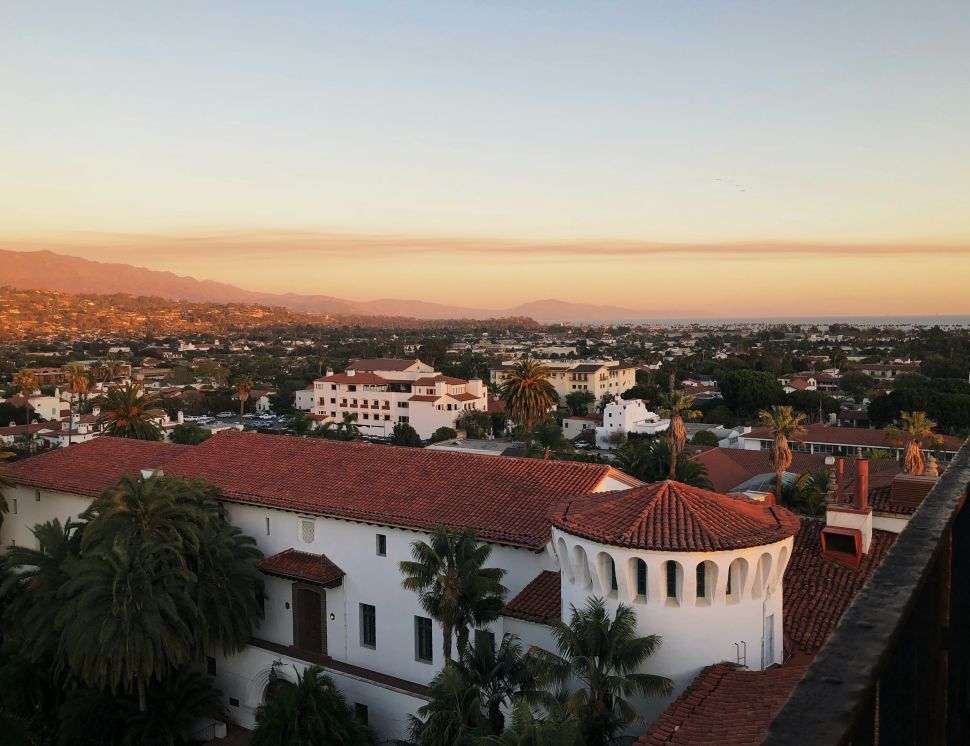
Santa Barbara
The Amtrak Pacific Surfliner goes from Union Station in DTLA straight to Santa Barbara’s thriving Funk Zone. The scenic ride takes an average of two hours and 45 minutes, and while it’s a bit longer than the approximately 90-minute car ride, you get to enjoy nearly three hours of uninterrupted relaxation time—or, for those who actually want to be productive, get some work in. You also don’t need to concern yourself with the effort of driving and all that entails. Plus, the starting ticket price of $30 is much less than today’s tank of gas in California.
The first part of the trip goes through an urban setting in the San Fernando Valley, then you’ll pass lush farmland and rocky mountains in Ventura, before eventually zipping up the coast, taking in panoramic ocean views. Once you arrive, you can walk to some of the beach town’s most sought-after restaurants, premier wine tasting rooms and scenic spots all within a matter of minutes from the station. Santa Barbara’s historic Stearns Wharf is just a 10-minute stroll away, and if you’re in the mood for fresh seafood, take a seat at the end of the pier at Santa Barbara Shellfish Co. (a favorite of Julia Child’s) for one of their crab specials. Then walk back toward the Funk Zone for wine tasting at Orgullo—the only 100 percent Latino-owned winery in town. If you’re a fan of beer, visit Fig Mountain Brewing Co. or Llama Dog Tap Room before sitting down for dinner at The Lark. Hotel Californian is a stylish and modern property that’s just a stone’s throw from the station, but if you want to be just a tad closer to the water, book a room at The Milo.
Santa Barbara.
Unsplash
San Luis Obispo
North of Santa Barbara, San Luis Obispo is a surprisingly underrated town situated along California’s Central Coast. You’ll also be taking the Pacific Surfliner to its northernmost destination from Union Station, but your expected ride time is around five and a half hours. Once you arrive, hop right off the train and head to Café Roma for an early dinner, just a few feet away from the station in SLO. After you’ve filled up on handmade pastas and steamed clams, embark on a 15-minute walk to downtown. There are a few different tasting rooms and wine bars to explore; Region is a favorite. You’ll also find plenty of boutiques, but no visit is complete without seeing the iconic (and kind of disturbing) Bubblegum Alley. Consider stopping by the local art museum, or simply get lost exploring the many courtyards and outdoor spaces scattered throughout town. Other worthwhile restaurants include Nate’s on Marsh, Bear & The Wren and Kiko Peruvian Cuisine & Pisco Bar. Hotel San Luis Obispo has the most convenient location, and its one-Michelin-key status ensures you’ll enjoy premium amenities like complimentary bikes, a full-service spa and a scenic rooftop terrace.
Hotel San Luis Obispo.
Hotel San Luis Obispo
Oceanside
Oceanside has become one of SoCal’s most up-and-coming coastal communities, and the Pacific Surfliner train gets Angelenos down there in just two hours. All of the best eateries and bars in Townsite are less than a 10-minute walk away from the transit stop, as is the beach and Oceanside Pier. If you’re looking to splurge on a Michelin-starred dinner after a day of catching some sun and waves, make a reservation at Valle and indulge in a seasonal, 12-course tasting menu. More casual dining options like Sancho’s Tacos, Craft Coast Beer and Tacos and Mission Ave Bar and Grill attract a fun crowd and give you a more authentic taste of local life. Hyatt’s The Seabird Ocean Resort & Spa is a 226-room waterfront property with sweeping sea views and a bright, nautical setting. Just across the street, the Mission Pacific Beach Resort is a bit more intimate and elevated. Regardless of which hotel you choose, you’ll rest easy knowing that you’re less than half a mile from the train station when it’s time to go home.
Oceanside.
Unsplash
San Diego
After a three-hour trek down the coast, Amtrak’s Pacific Surfliner drops passengers in the heart of Downtown San Diego. Whether you’re catching a game at Petco Park or letting loose at some of the best bars in the Gaslamp Quarter (Prohibition and Noble Experiment being two top choices), everything you need is at your fingertips when traveling to San Diego by train. Get your steps in and stretch your legs while strolling along Waterfront Park, or hop aboard the Maritime Museum of San Diego for a taste of the pirate life. Little Italy is one of the best neighborhoods for foodies, with standout spots like Morning Glory, Kettner Exchange and Roman Wolves. While some people pop down just for the day, I recommend booking a room at The U.S. Grant, a Luxury Collection Hotel. The timeless 270-room property is in the middle of downtown and keeps you close enough to the train station, while still giving you easy access to all of the urban area’s distinct neighborhoods.
San Diego.
Unsplash
