New York lawmakers have a rare opportunity this year: to prevent a cruel and environmentally harmful industry from taking root before it ever gains a foothold.
Legislation sponsored by my colleague Senator Monica Martinez and I would prohibit industrial octopus farming in New York State. The bills have advanced through committee, attracted bipartisan support, and are now awaiting floor votes in the Senate and Assembly. As the legislative session draws to a close, lawmakers should seize this opportunity and get these bills across the finish line.
Unlike many animal welfare issues, this is not a case of trying to reform an entrenched industry. There are currently no octopus farms operating in New York or anywhere else in the United States. All octopus consumed in NYS is wild-caught, however companies around the world are trying to change this by investing heavily in octopus farming, and industrial-scale facilities are already being developed overseas and in Mexico. The question is not whether New York has an octopus farming problem today. The question is whether we are willing to prevent one tomorrow.
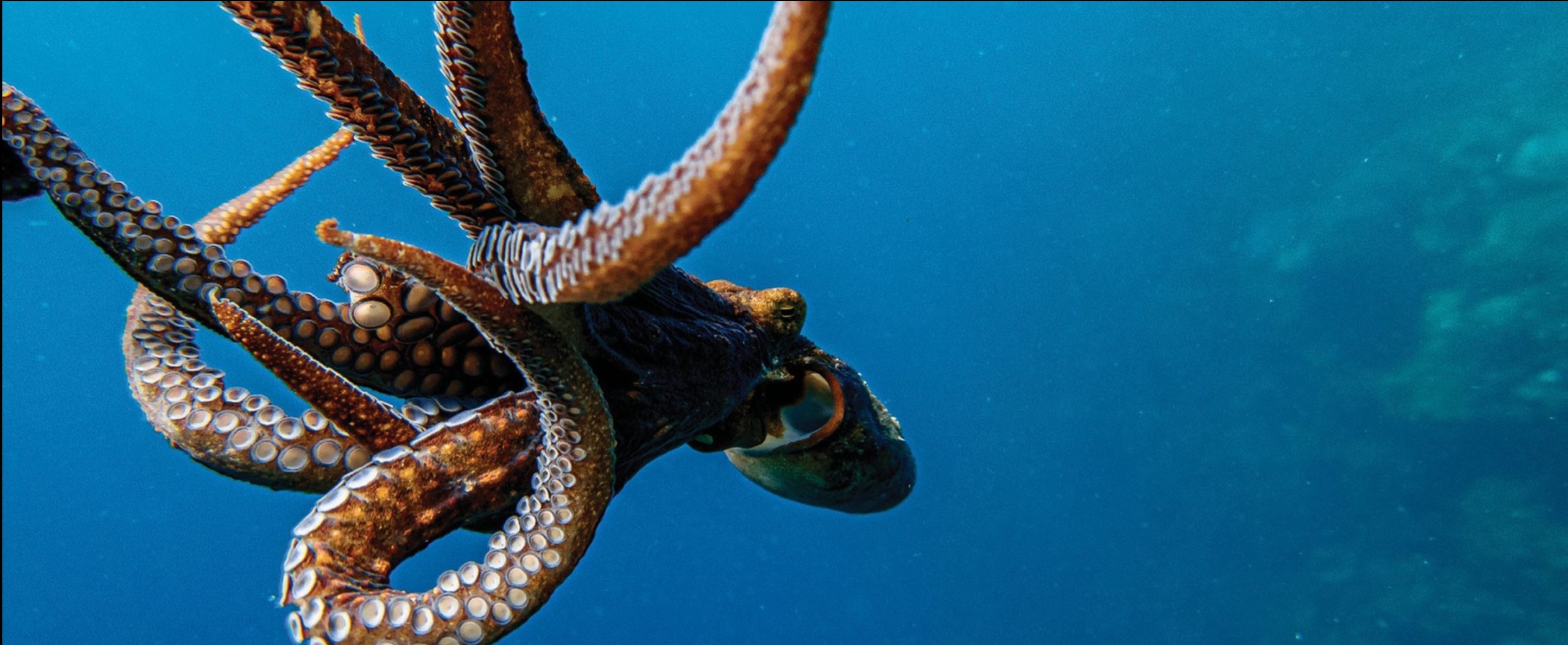
Octopuses are among the most intelligent and fascinating animals on Earth. Scientists have documented their remarkable problem-solving abilities, curiosity, and capacity to learn. They can navigate mazes, open containers, recognize individual humans, and display complex behaviors rarely seen in invertebrates.
These are not animals suited for industrial confinement.
In the wild, octopuses roam vast ocean habitats and typically live solitary lives. Industrial octopus farming would force them into crowded tanks where stress, aggression, injury, and suffering are inevitable. Experts have repeatedly warned that octopus biology and behavior make them particularly unsuited for intensive farming systems.
The concerns extend beyond animal welfare. Octopus farming would generate significant environmental impacts, including water pollution and increased pressure on wild fish populations that are harvested to feed farmed octopuses. At a time when lawmakers are working to protect marine ecosystems, creating a new form of intensive aquaculture makes little sense.
Fortunately, New York is not alone in recognizing these risks. California and Washington have already enacted bans on octopus farming, and lawmakers in other states are pursuing similar protections. New York now has the opportunity to become the first state on the East Coast to draw a clear line and reject this emerging industry before it arrives.
The timing matters. Once investors have spent millions of dollars, facilities have been built, and economic interests become entrenched, it becomes exponentially more difficult to stop harmful industries. The smartest and most effective public policy is often preventive policy.
Over the past two years, advocates from across New York have worked alongside legislators, scientists, environmental organizations, and animal protection groups to build support for these bills. We have met with lawmakers from both parties and consistently heard the same message: constituents support this legislation. New Yorkers do not want to see intelligent marine animals confined in industrial tanks for commercial production.
The Legislature should listen.
Before the session ends, the Senate and Assembly should bring these bills to the floor and send them to the Governor’s desk. New York has an opportunity to demonstrate leadership, prevent needless suffering, and stop a harmful industry before it starts.
Opportunities like that do not come along often.
Assembly Member Tony Simone
The post New York Has a Rare Opportunity to Stop Animal Cruelty Before It Starts appeared first on EMPIRE REPORT NEW YORK 2026® NEW YORK’S 24/7 NEWS SITE.