I have been hearing a consistent and concerning message from constituents, judges, hospital leaders, and advocates across my district and throughout New York: our state does not have enough nonprofit guardians to meet the growing need.
Guardianship is meant to be a last resort — a carefully tailored legal intervention used only when necessary to protect individuals who cannot safely manage essential decisions about their health, finances, or living arrangements. When it works as intended, it helps people stabilize their lives, access critical services, and live safely in the least restrictive settings possible.
But too often, I’m hearing about what happens when no guardian is available.
Judges are struggling to identify qualified guardians for people who lack financial resources or family members able to serve. Hospital administrators and discharge planners tell me about patients who are medically ready to leave but remain stuck in beds because no one is legally authorized to arrange home care, apply for benefits, or consent to placement. Families and service providers are left trying to navigate an already complex system without the authority they need to help.
This is not an abstract problem. It is a systems challenge with real consequences for healthcare capacity, court efficiency, and the well-being of vulnerable New Yorkers.
Across the state, patients who no longer require acute medical care are remaining in hospitals for months — sometimes close to a year — simply because a guardian cannot be identified. Nearly all of these individuals have limited financial resources, and many have no family able or willing to step in. Without a legally authorized decision-maker, even routine steps toward discharge become impossible.
I’ve heard directly from providers about the toll this takes. Extended hospital stays can lead to isolation, functional decline, infections, and other preventable complications. Hospitals are not designed to serve as long-term residential placements, yet that is effectively what they become when no guardian is available.
The financial impact is also significant. A single hospital bed can cost more than $7,000 per day. When patients remain hospitalized solely due to the absence of a guardian, it creates avoidable strain on our healthcare system and unnecessary costs for taxpayers.
At its core, the issue is straightforward: we do not have enough nonprofit guardians, and the capacity we do have is unevenly distributed across the state. Existing providers are doing extraordinary work, often serving thousands of New Yorkers, but many programs are operating at or near capacity. In some regions, courts have few — if any — nonprofit guardians available to appoint.
To remedy the clear existence of a “guardianship gap,” I am sponsoring the Good Guardianship Act in the Assembly (A09295B). This bill establishes a statewide initiative of not-for-profit guardians which would allow us to build on existing expertise while expanding services into underserved areas. It would help courts make timely appointments, support consistent standards of care, and reduce unnecessary delays that ripple across systems. In addition, the legislation is structured in a manner that would allow the state to support implementation through future budget appropriations and existing not-for-profit guardianship infrastructure.
This approach also aligns with the goals of the Governor’s Master Plan for Aging, which calls for coordinated supports that allow older adults and people with disabilities to live safely and with dignity in their communities.
From what I’ve seen and heard, nonprofit guardians play an essential role in that continuum of care. They coordinate medical treatment, secure stable housing, prevent financial exploitation, and ensure that guardianship remains as limited and person-centered as possible. Their work often helps individuals avoid unnecessary institutionalization and achieve better outcomes overall.
Let me be clear: investing in nonprofit guardianship is not about expanding guardianship unnecessarily. It must always remain a last resort. But when it is needed, the system must be able to respond — responsibly, equitably, and without delay.
This initiative, when compared to the cost of prolonged hospital stays, delayed transitions to community care, and fragmented decision-making. It is also a matter of fairness. Access to a qualified guardian should not depend on where someone lives, what resources they have, or whether a family member is available.
If we fail to act, these gaps will continue to place pressure on our courts, our healthcare system, and families already navigating difficult circumstances. If we act, we have an opportunity to strengthen accountability, improve efficiency, and ensure that vulnerable New Yorkers receive the support they need.
As the legislative session’s conclusion draws near, I urge my colleagues and the governor to support a statewide initiative of nonprofit guardians.
When guardianship is necessary, it should work as intended — protecting rights, promoting independence, and helping people move from crisis toward stability. This investment will help us get there.
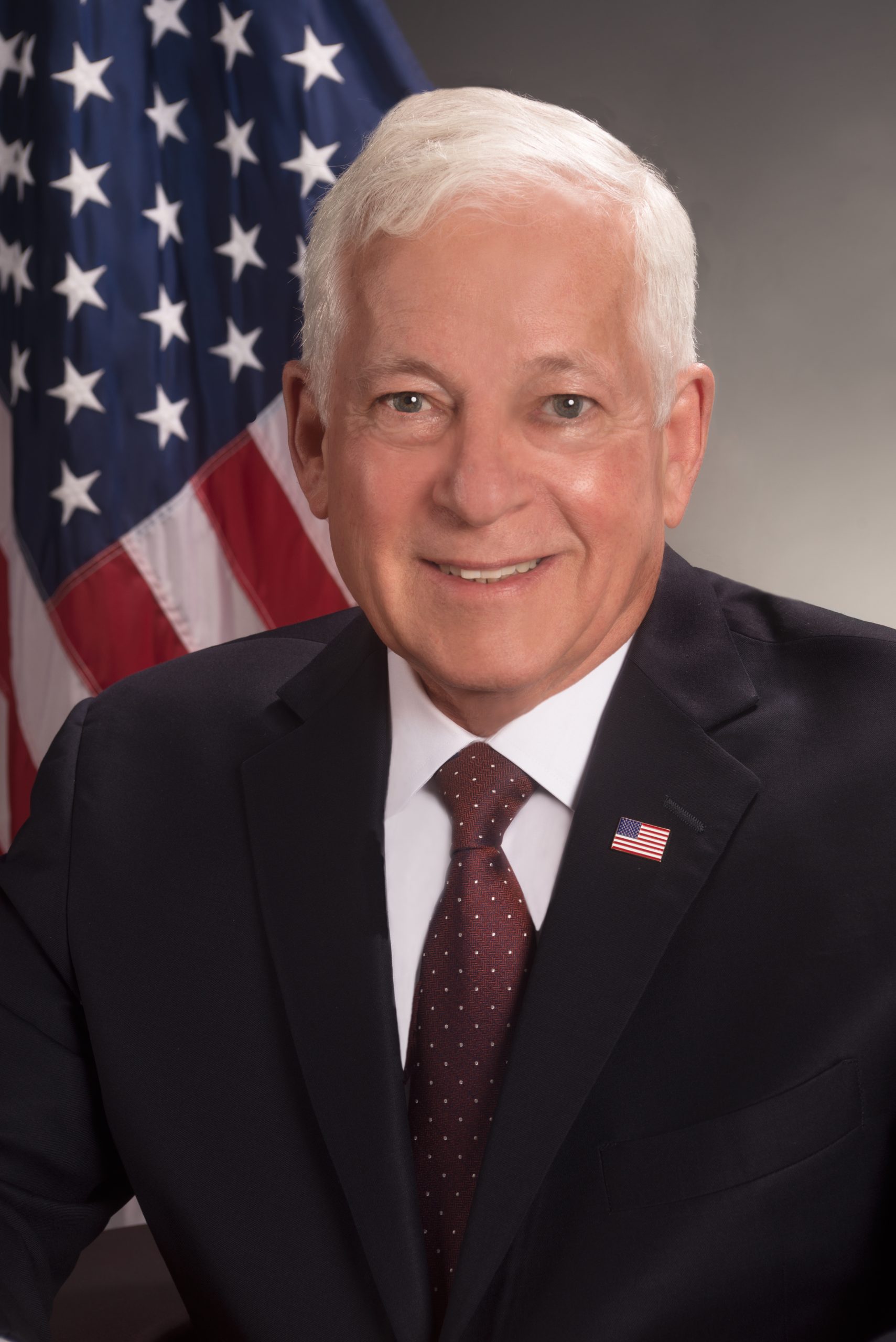
Assemblyman Charles Lavine represents the 13th Assembly District and Chairs the Assembly Judiciary Committee.
The post The Importance of Good Guardianship appeared first on EMPIRE REPORT NEW YORK 2026® NEW YORK’S 24/7 NEWS SITE.