
After nearly 30 years in the spirits business, I’ve watched attitudes toward drinking evolve alongside broader shifts in consumer culture. The latest debate isn’t about alcohol at all. When Steven Bartlett, host of the Diary of a CEO podcast, shared that three glasses of wine affected his sleep, workouts and productivity for days afterward, the conversation quickly moved beyond drinking itself. It became a debate about optimization and whether we’ve started measuring life so closely we’ve forgotten how to enjoy it.
Steven wasn’t describing a traditional hangover. He was describing the ripple effect that followed. His sleep suffered. His eating changed. He skipped two gym sessions. He even felt it affected his podcast. His wearable tracked it all, and he shared the results openly. The public’s reaction to this revelation was fascinating.
Some people questioned whether our obsession with optimization had finally gone too far. Others pointed out that someone invested in measuring every part of life might not be the most impartial judge of a single evening. But what stood out to me was how many people admitted they missed something simple: enjoying a drink, staying a little longer and being fully present without immediately wondering what the next morning’s data would say.
Because this conversation was never really about alcohol. It was about how we want to live. For much of the past decade, consumer culture rewarded relentless optimization. We counted steps, tracked sleep, monitored glucose, measured recovery and searched for any marginal gains everywhere from our diets to our calendars. Those tools created healthier habits for some people, but they also reframed leisure through the lens of performance, turning every indulgence into a trade-off against tomorrow’s productivity.
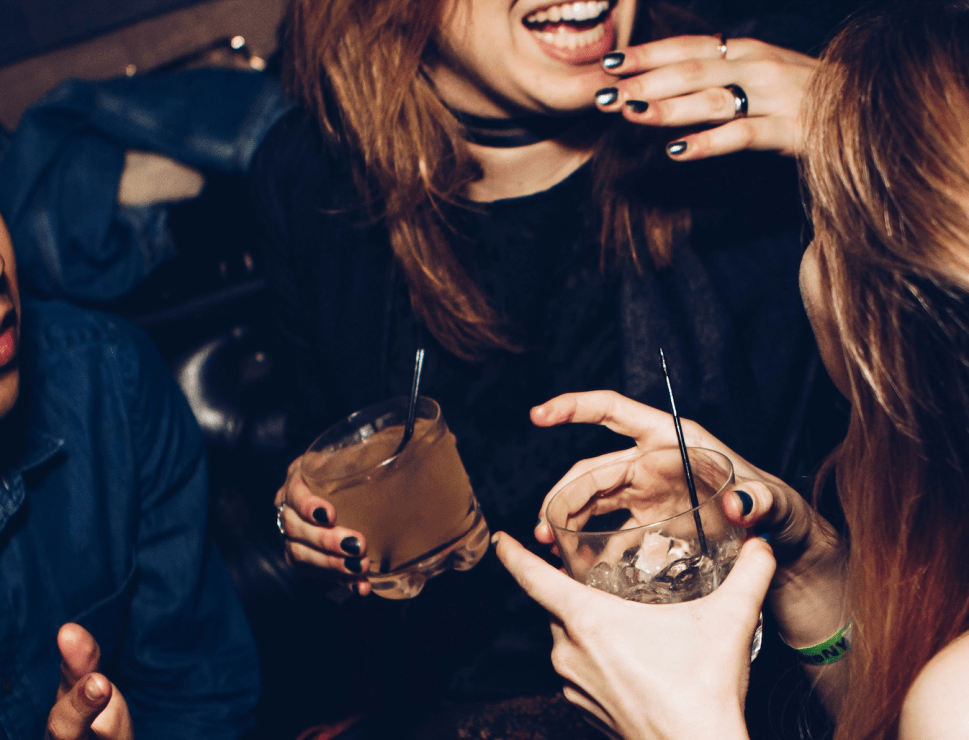
I’ve been fortunate to spend most of my career in the spirits business, and one thing has always remained true: people rarely remember a drink only because of what’s in the glass. They remember the moment around it. They remember the restaurant where they celebrated something important. The bar where they met someone who became a lifelong friend. The dinner that unexpectedly turned into an evening of laughter. The bottle opened when there was finally something worth celebrating.
Some of the most meaningful conversations of my career have happened over a drink. Not because the drink itself solved anything, but because it created the space for people to slow down, listen and connect. The spirits industry has always sold more than what’s in the glass. Its real product has been hospitality: creating environments where conversations last longer, relationships deepen and celebrations become memories.
Over the past decade, we have become very good at measuring life. Steps. Sleep. Calories. Recovery. Productivity. Financial goals. Screen time. Almost everything became something to track, score and improve. That mindset spread well beyond health. It influenced how we traveled, exercised, socialized and even relaxed. Experiences had to justify themselves through measurable returns rather than simply being enjoyable.
The result is an interesting cultural tension. Consumers still value wellness, but many are also searching for spaces where they can stop optimizing for a few hours. Taking care of ourselves matters. But the best version of ourselves should still leave room for joy. Somewhere along the way, many of us started treating enjoyment as though it needed to justify itself. A martini stopped being just a martini. It became tomorrow’s sleep score.
Lately, though, something is changing. People want to go out again. A shift first became clear last year, when spirits sales in bars and restaurants started to grow again, nearly one percent, even as wine and beer both slipped, according to 2025 data from CGA by NIQ’s On Premise Measurement tool. On-premise volumes have now climbed back to 93 percent of where they were before the pandemic, with menu prices up 25 percent since 2019, according to additional 2025 CGA by NIQ data. People aren’t drinking less when they’re out. They’re paying more to be there, and doing it anyway.
Consumers remain selective about discretionary spending, yet many are willing to spend more on experiences they genuinely value. Across hospitality, restaurants, live entertainment and premium travel, value is more often measured by the quality of the experience rather than the quantity consumed. The spirits industry is seeing the same shift.
Spend an evening at a great cocktail bar and the appeal becomes obvious. People linger and share stories. Conversations stretch past last call. Recommendations travel from bartender to guest and from table to table. People order what they actually want rather than what they think they should choose. For all the technology that surrounds us, bars remain one of the few places where discovery still happens face to face.
That philosophy has shaped our business at Aspen Vodka. We have long believed premium spirits are discovered through hospitality and experience rather than advertising. A bartender recommending something new. Friends sharing a drink they have never tried before. A conversation that begins with, “What are you having?” More than 80 percent of our business currently comes through bars and restaurants because premium brands are ultimately built through shared experiences, trusted recommendations and memorable service. It’s where a bartender can tell a story. It’s where someone can experience a new spirit for the first time. It’s where a brand can become part of someone’s life.
The martini is a perfect example of this shift. It has quietly become one of the most interesting drinks of the moment. Every generation seems convinced it is rediscovering the martini for the first time, but today’s bartenders have made it their own. They are creating versions that are thoughtful, savory and unexpected. Drinks that almost guarantee someone at the table will ask, “What is that?” That’s the magic. Great cocktails start conversations. The martini’s resurgence says something larger about culture. It’s a reminder that rituals still matter, especially those that bring people together in person.
People are not simply looking to drink more. They are looking for moments worth remembering. That is what great spirits brands have always represented. Not just what is poured, but what happens after. They become part of the moments people choose to remember.
The antidote to over-optimization isn’t over-consumption. The broader opportunity for hospitality businesses is giving people stronger reasons to gather. As digital communication becomes more abundant, experiences built around genuine interaction become relatively scarcer and therefore more valuable. Restaurants, cocktail bars and hotels are selling environments where relationships are formed and strengthened. Technology can make almost every interaction more efficient. It still can’t recreate the alchemy of a great night out shared with other people.
Spirits are about creating the stories that happen when people slow down enough to enjoy each other’s company. None of this is an argument against moderation. Taking care of ourselves matters, and nobody’s asking bartenders to bring back neon energy-drink shots or ingredients you can’t pronounce. Knowing what is in our glass matters. Transparency around how something is actually made isn’t going anywhere, and it shouldn’t. What’s changing is that people no longer want every decision filtered through a productivity metric. They’ve stopped treating a drink or a night out like it’s something that needs to be justified first. They just want it to feel worthwhile.
Perhaps that’s why Steven Bartlett’s story resonated with so many people. It was never really about three glasses of wine. It was about whether we’ve left enough room in our lives for moments that don’t need a reason. The evenings we treasure are rarely the ones that went exactly according to plan. They are the ones where nobody noticed the time. Where one more round happened naturally. Where the conversation became better than expected. Where someone introduced you to a drink you remembered years later. Because the best brands do not just sit on shelves. They become part of the stories people tell.
The martini may be having a moment. But what people are really rediscovering is something much simpler: the pleasure of good company, a great drink and a moment worth remembering. After years spent optimizing nearly every aspect of daily life, consumers appear to be rediscovering experiences that resist measurement. The value of a great evening has never been found in a sleep score or fitness tracker. It’s found in the relationships strengthened, the conversations remembered and the stories people continue telling long after the glasses have been cleared.
In that sense, the return of going out is a reminder that some of life’s most valuable experiences were never meant to be optimized in the first place. Because ultimately, the best spirits brands do not create occasions. They become part of them.
